Archives
- 2026-03
- 2026-02
- 2026-01
- 2025-12
- 2025-11
- 2025-10
- 2025-09
- 2025-03
- 2025-02
- 2025-01
- 2024-12
- 2024-11
- 2024-10
- 2024-09
- 2024-08
- 2024-07
- 2024-06
- 2024-05
- 2024-04
- 2024-03
- 2024-02
- 2024-01
- 2023-12
- 2023-11
- 2023-10
- 2023-09
- 2023-08
- 2023-06
- 2023-05
- 2023-04
- 2023-03
- 2023-02
- 2023-01
- 2022-12
- 2022-11
- 2022-10
- 2022-09
- 2022-08
- 2022-07
- 2022-06
- 2022-05
- 2022-04
- 2022-03
- 2022-02
- 2022-01
- 2021-12
- 2021-11
- 2021-10
- 2021-09
- 2021-08
- 2021-07
- 2021-06
- 2021-05
- 2021-04
- 2021-03
- 2021-02
- 2021-01
- 2020-12
- 2020-11
- 2020-10
- 2020-09
- 2020-08
- 2020-07
- 2020-06
- 2020-05
- 2020-04
- 2020-03
- 2020-02
- 2020-01
- 2019-12
- 2019-11
- 2019-10
- 2019-09
- 2019-08
- 2019-07
- 2019-06
- 2019-05
- 2019-04
- 2018-11
- 2018-10
- 2018-07
-
There is an opposite opinion indicating that EphB plays a
2019-08-06
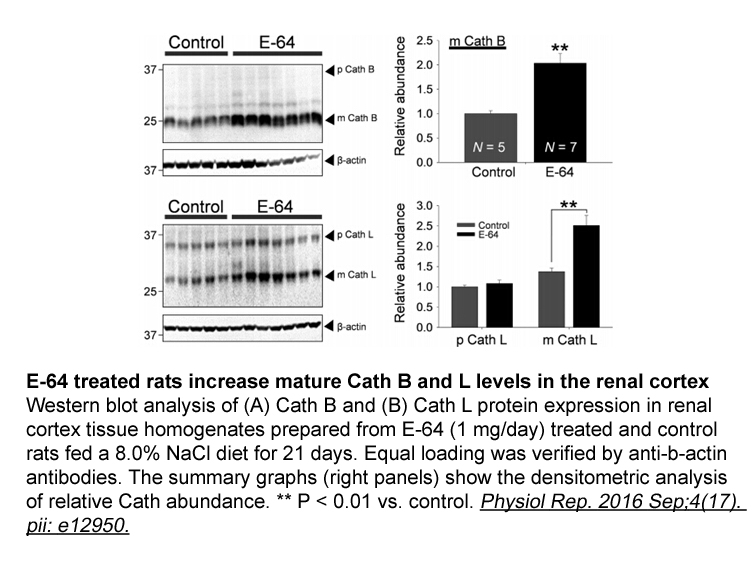
There is an opposite opinion indicating that EphB plays a role as cancer suppressor. Batlle et al. showed that loss of EphB expression represented a critical step in CRC progression, and CRCs that lacked EphB2 expression have been correlated with more advanced tumour stage, poor differentiation, and
-
Interest in the PGE EP pathway is increasing given
2019-08-06

Interest in the PGE2/EP4 pathway is increasing given its diverse capability of regulating central nervous system activity [13]. EP4 has a protective function by reducing cerebral injury and improving functional outcome after stroke [14], and in suppressing SMIP004 inflammation [15]. The EP4 recepto
-
In conclusion our findings suggested that
2019-08-05
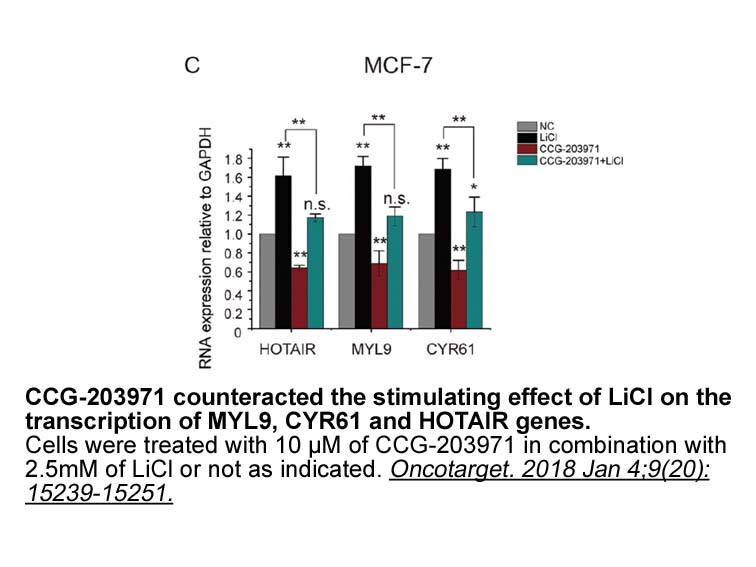
In conclusion, our findings suggested that EP4 receptor activation triggers apoptosis in B-cell lymphoblasts. Our results also showed that EP4 receptor engagement inactivates NF-κB, which, in turn, sensitizes Ramos prostaglandin e2 to apoptosis induced by chemotherapeutic agents. EP4 receptor agoni
-
It has been reported that cAMP
2019-08-05
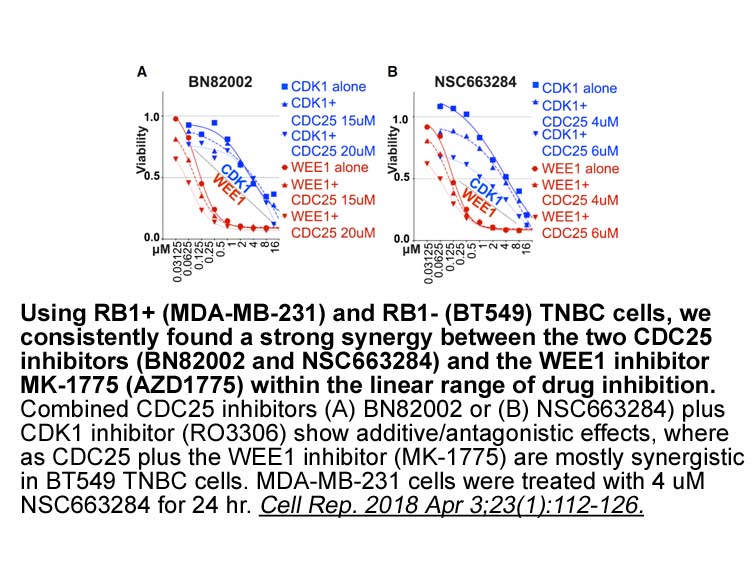
It has been reported that cAMP also acts via Epac and Epac to attenuate CREB. However, in human monocytes ONO-AE1-329 (the EP4 receptor agonist used in this study) worked entirely through the cAMP-PKA pathway and not vis Epac [12]. Our data suggests that the cAMP-PKA-CREB pathway predominates for MU
-
br Substrate characterization of candidate peptide
2019-08-05
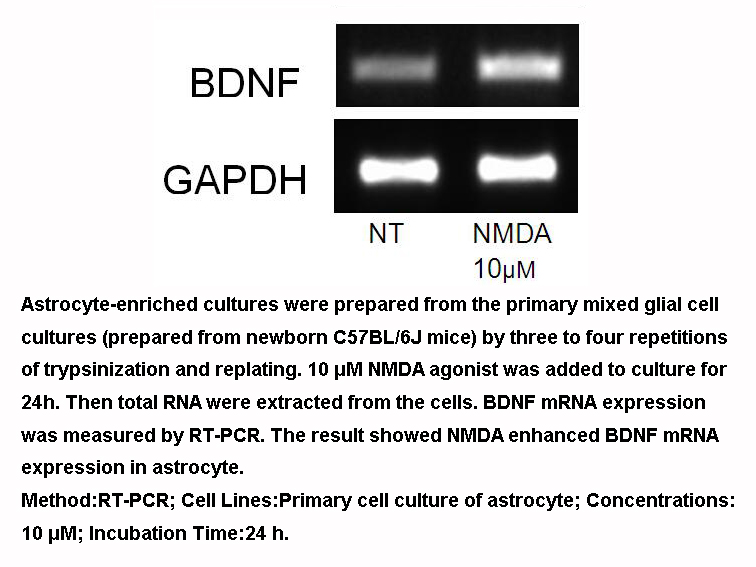
Substrate characterization of candidate peptide reporters in a library Measurement of resistance to intracellular proteases Use of capillary zone electrophoresis for assay readout Selection of lead peptide from small library screen Characterization of final reporter Additional modif
-
In this study we further investigate how STAT
2019-08-05

In this study, we further investigate how STAT3 integrate to the core regulatory circuit in ESC pluripotency and differentiation, and identify Mettl8 as a downstream target of STAT3 in mESCs. We discover the role of METTL8 as a negative regulator of JNK signaling in stem cells. Our results provide i
-
The present study showed evidence that the AT and
2019-08-05
The present study showed evidence that the AT1 and the ETA receptors were not expressed near or on the plasma membrane as monomers, but also as possibly constitutive dimers and tetramers. For both receptors, the proportion of monomers, dimers and tetramers were unaffected by their respective agonist
-
Across the scaffold the platform anchors
2019-08-05
Across the scaffold, the platform anchors the N terminus of the elongated cullin structure of APC2 [21]. This connects to the flexible cullin–RING catalytic core consisting of the C-terminal region of APC2 and the associated APC11 11, 12, 21. The flexibility and positions of the catalytic core are c
-
benzydamine in The relatively less well studied encodes the
2019-08-05
The relatively less well-studied encodes the E2 type SUMO-conjugating enzyme. In plants, the SCE family members play roles in abiotic stress responses. An E2 enzyme, SaSce9, from plays roles in salinity and drought stress responses (). Furthermore, SCE can respond to heat stress in rice (). Howeve
-
Historically covalent drugs have had great success e g
2019-08-05
Historically, covalent drugs have had great success (e.g., aspirin and penicillin), and covalent drugs have become a focus in anticancer and antiviral drug discovery (Kalgutkar and Dalvie, 2012, Singh et al., 2011). These compounds contain low reactivity warheads that allow covalent adducts to form
-
Although many GPCR heteromers have been identified
2019-08-05
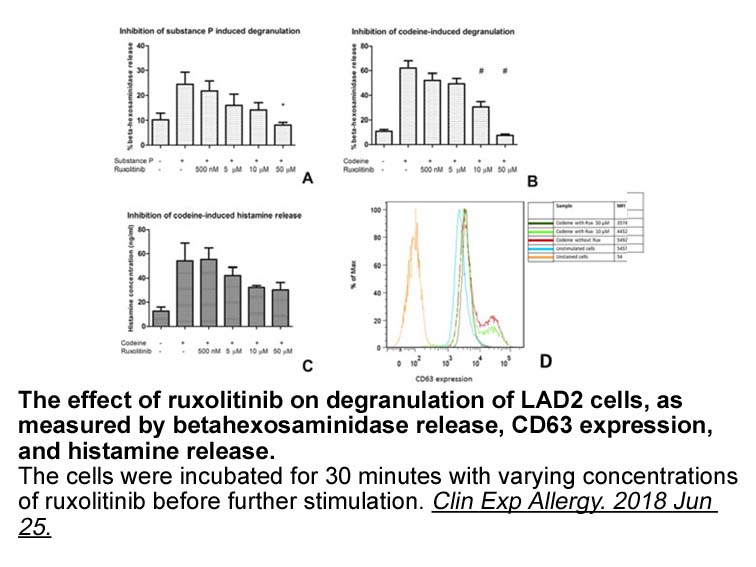
Although many GPCR heteromers have been identified using heterologous cell lines, only very few fit all three criteria. This is mainly due to the difficulties to study these structures in native tissues because of the lack of sensitive and selective tools, not only capable of detecting in vivo evide
-
It was demonstrated that the addition of fold excess
2019-08-05
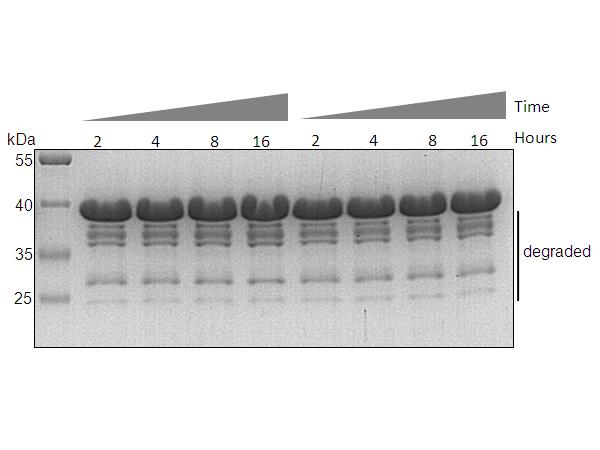
It was demonstrated that the addition of 10-fold excess of α-synuclein without modifications (with respect to the molar concentration of tetrameric GAPDH) leads to partial inactivation of GAPDH after 1-h incubation by 20% (Fig. 4, curve 2) in GDC-0084 formula to insignificant decrease of the specifi
-
br Results br Discussion The structures presented
2019-08-05

Results Discussion The structures presented here were solved at high histamine-2 receptor antagonist and show in detail how DDR1 achieves high affinity for imatinib and ponatinib, respectively. Both type II inhibitors bind in their more potent extended conformations to the inactive DFG-out co
-
Autophagy alterations are frequently reported as one of the
2019-08-05

Autophagy alterations are frequently reported as one of the pathological mechanisms contributing to neurodegenerative diseases, due to incomplete removal of protein Fosinopril sodium powder in the brain [30,41]. It was over a decade ago when mutations in PARK8 encoding for the LRRK2 protein were de
-
One of the therapeutic proteins used in cancer therapy is
2019-08-05
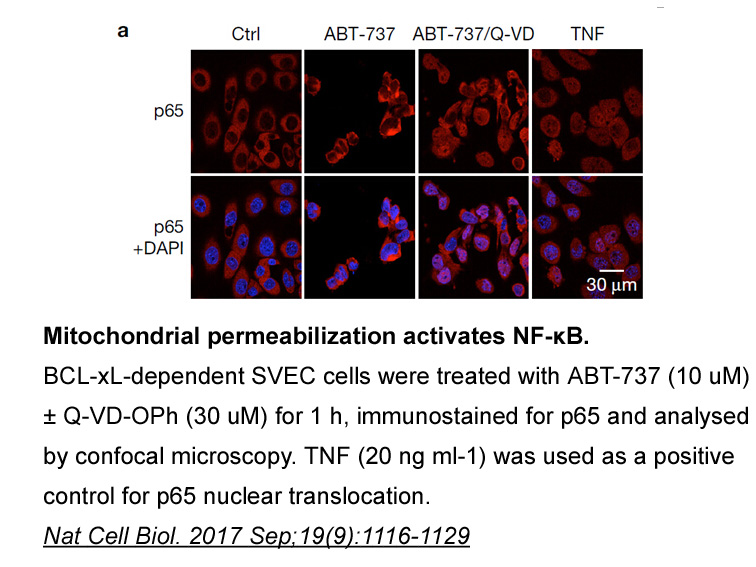
One of the therapeutic proteins used in cancer therapy is glucarpidase, also known as Carboxypeptidase G2, CPG2, which originates from the bacterium Variovorax paradoxus (old name, Pseudomonas sp. strain RS-16). It has no mammalian equivalent (Thompson et al., 1994; Kamlage, 1994) and is a zinc-depe
15922 records 980/1062 page Previous Next First page 上5页 976977978979980 下5页 Last page